
Bilirubin is a yellowish substance that naturally forms in the human body when old red blood cells are broken down. Although bilirubin is produced as part of a normal biological process, an unusually high or low level can sometimes indicate that something is affecting the liver, bile ducts, or blood cells. For this reason, bilirubin is an important part of many routine blood tests.
Understanding bilirubin does not have to be complicated. It is closely connected with the way the body removes old red blood cells and processes waste through the liver. When this process works normally, bilirubin is handled and removed without causing noticeable symptoms. However, when bilirubin builds up in the bloodstream, it can cause a condition commonly known as jaundice, in which the skin or whites of the eyes may become yellow.
This article explains what bilirubin is, how it is produced, what different bilirubin levels can mean, common reasons for elevated bilirubin, symptoms to watch for, and ways to support overall liver health.
What Is Bilirubin?
Bilirubin is a pigment produced when hemoglobin from aging red blood cells is broken down. Red blood cells have a limited lifespan, so the body constantly removes old cells and replaces them with new ones. During this process, hemoglobin is converted through several stages, eventually producing bilirubin.
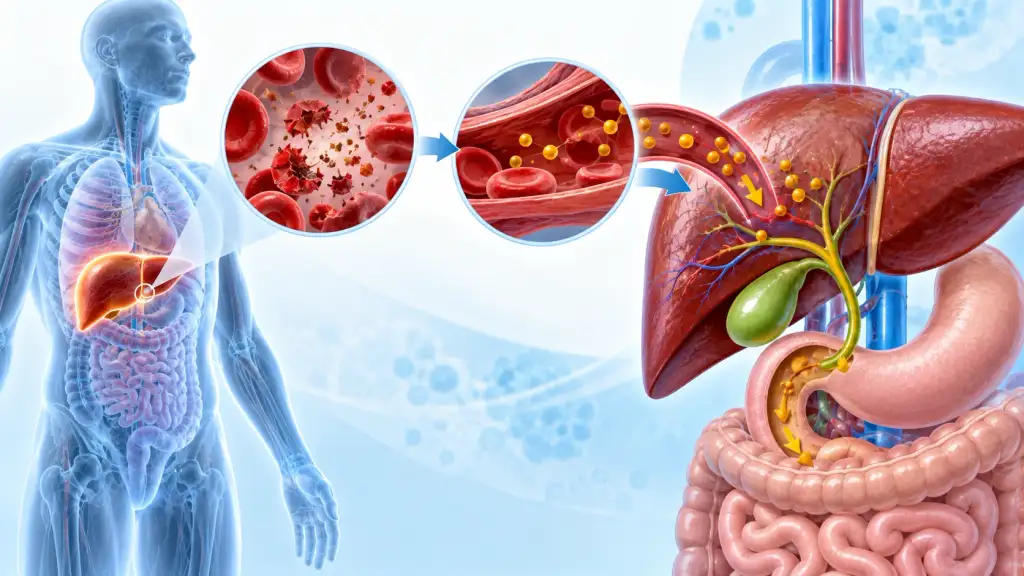
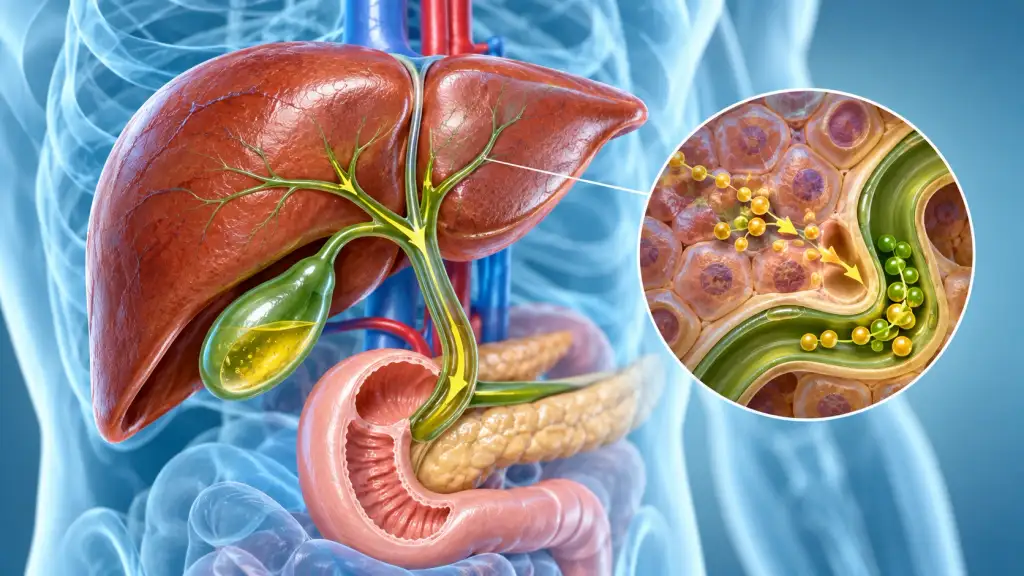
The liver plays a major role in processing bilirubin. After bilirubin is formed, it travels through the bloodstream to the liver. The liver changes it into a form that can be eliminated from the body through bile. Eventually, bilirubin leaves the body mainly through the digestive system.
This process is essential because it allows the body to dispose of waste produced during the natural breakdown of blood cells.
Types of Bilirubin
A bilirubin blood test generally looks at different forms of bilirubin. The two main forms are called unconjugated and conjugated bilirubin.
| Type of Bilirubin | What It Means | Where It Is Mainly Processed |
|---|---|---|
| Unconjugated bilirubin | Bilirubin before the liver has processed it | Bloodstream and liver |
| Conjugated bilirubin | Bilirubin after it has been processed by the liver | Liver and bile ducts |
| Total bilirubin | Combined measurement of bilirubin forms | Blood test |
Doctors may consider these values together with other tests, symptoms, medical history, and physical examination findings.
Why Does Bilirubin Increase?
An increased bilirubin level can happen for several different reasons. It does not automatically mean that a person has serious liver disease.
One possible reason is the increased breakdown of red blood cells. When red blood cells are destroyed faster than usual, the body produces more bilirubin than the liver may be able to process efficiently.
Another possibility is that the liver is not processing bilirubin normally. Liver conditions can interfere with the organ’s ability to take up, transform, or remove bilirubin.
Bile duct problems can also cause bilirubin to rise. If bile cannot flow normally from the liver into the digestive tract, processed bilirubin may accumulate in the bloodstream.
Certain inherited conditions can affect bilirubin metabolism as well. Some are mild and may cause occasional increases without causing significant long-term health problems.
Bilirubin and Jaundice
One of the best-known signs associated with high bilirubin is jaundice. Jaundice occurs when bilirubin accumulates in the body and causes a yellow discoloration of the skin or the whites of the eyes.
The appearance and severity of jaundice can vary. In some cases, the change is subtle and may be easier to notice in the eyes than on the skin.
Jaundice itself is not a single disease. Instead, it is a sign that can occur for many different reasons. Finding the underlying cause is therefore more important than simply focusing on the yellow color.
Common Symptoms Associated With High Bilirubin
High bilirubin may occur without obvious symptoms, particularly when the increase is mild. When symptoms do appear, they can vary depending on the underlying cause.
Possible signs include:
- Yellowing of the skin or eyes
- Dark-colored urine
- Pale or clay-colored stools
- Tiredness or weakness
- Abdominal discomfort
- Nausea
- Loss of appetite
- Itching
- Fever in some illnesses
Not everyone with elevated bilirubin experiences these symptoms. Similarly, these symptoms can occur because of conditions unrelated to bilirubin, so proper medical evaluation is important.
How Is Bilirubin Tested?
Bilirubin is commonly measured through a blood test. A healthcare professional may order a bilirubin test as part of a liver function evaluation or when symptoms such as jaundice are present.
The test may measure total bilirubin and, when appropriate, separate measurements of conjugated and unconjugated bilirubin.
Bilirubin results are usually interpreted alongside other information. Liver enzymes, blood counts, symptoms, medications, medical history, and other laboratory results can help a healthcare professional determine why a result is abnormal.
A single test result should therefore not be interpreted in isolation.
What Can Affect Bilirubin Results?
Several factors may influence bilirubin measurements. The underlying cause is particularly important because different conditions affect bilirubin in different ways.
Dehydration, fasting, certain medications, inherited conditions, liver problems, bile duct obstruction, and increased red blood cell destruction can all be associated with changes in bilirubin.
For this reason, someone with an abnormal result may need additional testing rather than immediately assuming the worst.
Bilirubin in Newborn Babies
Bilirubin is especially important in newborns. Babies can develop jaundice during the first days of life because their bodies are adjusting to the normal breakdown and replacement of red blood cells after birth.
Newborn jaundice is common, but bilirubin levels that become too high require careful medical attention. Very high bilirubin levels can be dangerous, which is why healthcare professionals may monitor newborns closely when jaundice develops.
Parents should contact a healthcare professional if a newborn appears significantly yellow, is difficult to wake, feeds poorly, or shows other concerning changes.
How Can You Support Healthy Liver Function?
There is no single food or home remedy that can guarantee a normal bilirubin level. The best approach is to support overall health and address the underlying cause when bilirubin is elevated.
A balanced diet containing vegetables, fruits, whole grains, protein sources, and healthy fats can support general health. Drinking enough fluids is also important for normal bodily functions.
Regular physical activity can help maintain a healthy weight and reduce the risk of several metabolic problems associated with liver health.
It is also important to use medications responsibly. Some medicines and supplements can affect the liver, so people should discuss regular medications and supplements with a healthcare professional rather than stopping prescribed treatment on their own.
Avoiding excessive alcohol intake is another important part of protecting liver health.
Can Diet Directly Lower Bilirubin?
Diet alone does not necessarily correct an elevated bilirubin level because the appropriate treatment depends on the reason bilirubin is high.
For example, if bilirubin is elevated because of a blockage in the bile ducts, changing food choices will not remove that blockage. Similarly, if increased bilirubin is related to a blood disorder or another medical condition, the underlying problem needs appropriate evaluation.
A nutritious diet is valuable for overall health, but it should not replace medical assessment when bilirubin is significantly abnormal.
When Should You See a Doctor?
A healthcare professional should evaluate unexplained jaundice or a significant bilirubin abnormality. Medical attention is particularly important if yellowing is accompanied by severe abdominal pain, persistent vomiting, fever, confusion, extreme weakness, very dark urine, or pale stools.
People who already have liver disease or other medical conditions may require closer monitoring.
The good news is that many causes of elevated bilirubin can be identified through a combination of blood tests, medical history, examination, and sometimes imaging studies.
Frequently Asked Questions
1. What is bilirubin?
Bilirubin is a yellow substance produced when old red blood cells break down. The liver processes and removes it from the body.
2. What does high bilirubin mean?
High bilirubin may indicate a liver, blood, or bile-flow problem. The exact cause depends on the individual’s test results.
3. Can high bilirubin cause yellow eyes?
Yes, excess bilirubin can cause jaundice, making the eyes or skin appear yellow.
4. How is bilirubin tested?
Bilirubin is usually checked through a simple blood test. Doctors may measure total, direct, and indirect bilirubin.
5. Can water lower bilirubin?
Drinking enough water supports overall health, but it does not directly treat every cause of high bilirubin.
6. Is high bilirubin dangerous?
Not always; some causes are mild, while others need treatment. A healthcare professional can determine the cause.
7. When should I see a doctor?
See a doctor if you develop yellow skin or eyes, dark urine, abdominal pain, fever, or persistent weakness.
Final Thoughts
Bilirubin is a natural waste product processed by the liver. If its level rises, it may cause jaundice and can sometimes indicate an underlying health issue.
A healthy lifestyle can support liver health, but persistent jaundice or abnormal bilirubin levels should be checked by a healthcare professional.